Tile roofing combines unmatched durability and sophisticated style. Optionssuch as clay, concrete, slate, metal, and composite tiles provideversatile design choices to complement any architectural aesthetic. With a lifespan exceeding 100 years, tile roofs greatly reduce long-termlifecycle costs. Their inherent thermal mass boosts energy efficiency,lowering cooling expenses. Although the initial installation can becostly, the minimal maintenance and enhanced property value make it awise investment. Proper installation is vital to accommodate the heavystructural requirements and guarantee longevity. For a more detailedunderstanding, additional information will be necessary.
Types of Tile Roofs
Tile roofing offers a diverse array of options, each with distinctmaterials and styles that cater to varying durability requirements andaesthetic preferences. Clay Tile Roofs, known for their longevity andclassic appeal, are crafted from natural clay and fired at hightemperatures, resulting in a durable but costly option. In contrast,Concrete Tile Roofs provide a more economical alternative withoutsacrificing durability, being molded from a mixture of sand, cement, and water.
Slate Roofs, derived from natural stone, offer unparalleled eleganceand a vast palette of colors and textures, making them a premium choice. Metal Roofs, available in variations such as steel, aluminum, andcopper, are prized for their lightweight nature and exceptionaldurability. Composite Tiles, engineered from a blend of materials likeplastic, rubber, and fiberglass, stand out for their resistance tobreakage and versatility.
The array of Design Options in tile roofing is extensive, featuringstyles such as the traditional Spanish, the modern flat shake, and thedistinctive French tiles. These styles, including Scandia, Double Roman, barrel, and pantile configurations, enable homeowners and architects to achieve specific aesthetic goals while meeting structural and climaticdemands.
Benefits of Tile Roofing
In addition to the diverse types and designs available, the benefitsof tile roofing are manifold, including unmatched longevity, superiorenergy efficiency, minimal maintenance requirements, and robustresistance to pests and rot, making it a wise long-term investment forhomeowners. Tile roofs, renowned for their durability, can last over 100 years, outlasting many other roofing materials. This enduring naturetranslates to fewer replacements and repairs, effectively reducinglifecycle costs.
From an energy-efficient perspective, tile roofs excel due to theirnatural thermal mass, which helps regulate indoor temperatures bymitigating heat transfer. This feature notably reduces cooling costs,contributing to both economic savings and environmental sustainability.Moreover, the minimal maintenance required for tile roofing enhances its appeal; the tiles are resistant to common issues such as rot and pestinfestation, ensuring structural integrity over time.
The versatility in style is another remarkable benefit. Tile roofsare available in various designs, such as Spanish, Scandia, and Frenchtiles, allowing homeowners to achieve a distinctive aesthetic thatcomplements their architectural vision. This combination of durability,style, and energy-efficient properties makes tile roofing a notablechoice for those seeking a reliable, visually appealing roofingsolution.
Drawbacks of Tile Roofing
While tile roofing offers numerous benefits, it is not without itschallenges. The substantial weight of clay or concrete tilesnecessitates robust structural support, potentially escalatinginstallation costs due to the need for reinforced framing. Additionally, the higher initial investment for tile roofing materials can be asignificant financial consideration compared to alternative roofingoptions.
Heavy Structural Requirements
The significant weight of tile roofing materials, like concrete andclay tiles, necessitates a sturdy and carefully evaluated structuralsupport system to guarantee the integrity and longevity of the roof.Concrete tiles, weighing approximately 9-12 pounds per square foot, andclay tiles, weighing 10-15 pounds per square foot, impart substantialloads on the roof structure. This requires thorough structuralreinforcement to make certain that the existing roof framing can safelysupport the weight of tile roofs.
Before installing tile roofing, a detailed assessment of the currentroof structure is essential. This evaluation is crucial to identify anypotential weaknesses that may compromise the safety and stability of the roofing system. Structural engineers play a crucial role in thisprocess, providing expert analysis to determine the necessaryreinforcements, such as additional trusses or bracing, required tosupport the added weight.
Moreover, the installation of tile roofing demands specializedequipment and expertise due to the heavy and cumbersome nature of thematerials. The use of cranes and hoists is often necessary to safelylift and position the tiles, mitigating the risk of structural damage or accidents during installation. Homeowners should be aware of theserequirements when considering tile roofing to ensure a safe and durableroof system.
Higher Initial Costs
Tile roofing presents a substantial initial investment, withinstallation costs ranging from $7 to $25 per square foot, noticeablyhigher than many other roofing materials. This elevated cost to installis attributed to both material and labor expenses. Specifically,material costs for tile roofing average around $6 per square foot, afigure that surpasses alternatives like asphalt shingles. Additionally,labor costs can average $10 per square foot due to the specializedskills and time required for proper installation.
When evaluating the Pros and Cons of tile roofing, the higher initial costs stand out as a primary drawback. However, these upfront expensesare counterbalanced by the significant benefits. Tile roofing isrenowned for its durability, often lasting over 50 years, whicheffectively reduces long-term maintenance and replacement costs.Furthermore, the energy efficiency and aesthetic versatility of tileroof styles can enhance property value and curb appeal.
Cost of Tile Roofs
When considering the cost of tile roofs, one must account for bothmaterial and labor expenses, which collectively range from $7 to $25 per square foot. Material costs alone average around $6 per square foot,while labor typically averages $10 per square foot. Despite the higherinitial investment, tile roofs offer long-term financial benefitsthrough enhanced durability, aesthetic appeal, and potential increasesin property resale value.
Installation Price Range
Installation costs for tile roofs, encompassing both material andlabor expenses, typically range from $7 to $25 per square foot, withnumerous variables influencing the final price. Material costs averagearound $6 per square foot, but selecting higher-end tile options such as clay or slate can greatly elevate this figure. Labor costs, oftenhovering around $10 per square foot, vary based on the complexity andintricacy of the installation process.
The total cost is further influenced by the roof size, where largerroofs may benefit from economies of scale, potentially reducing theper-square-foot cost. Conversely, smaller or more intricate roofs canincur higher costs due to increased labor intensity and waste ofmaterials. Design options, including styles like Spanish, Scandia,Double Roman, and pantile tiles, not only add aesthetic appeal but alsoaffect installation costs due to varying degrees of difficulty and timerequired for proper installation.
Material and Labor Costs
Understanding the detailed breakdown of material and labor costs isessential to thoroughly evaluating the overall expense of installing atile roof. Material costs for tile roofs typically average around $6 per square foot, a figure that encompasses a variety of design options such as Spanish, Scandia, Double Roman, barrel, French, flat shake, andpantile tiles. Each of these styles offers distinct aesthetic andfunctional benefits, impacting the overall material costs slightly based on complexity and material type.
Labor costs, on the other hand, are a significant component,averaging around $10 per square foot. Proper installation is pivotal for ensuring the longevity of tile roofs, requiring skilled labor tometiculously position and secure each tile. This precision and expertise contribute to the higher labor expenses compared to other roofingmaterials.
When combined, the total installation costs for tile roofs generallyrange from $7 to $25 per square foot, factoring in both material andlabor costs. This detailed cost analysis highlights the importance ofconsidering both elements when budgeting for a tile roof installation.Proper allocation of resources towards quality materials and skilledlabor will ultimately influence the roof's longevity and performance.
Long-term Financial Benefits
How do the long-term financial benefits of tile roofs justify theirhigher original costs compared to alternative roofing materials? Theoriginal investment in tile roofs, which ranges from $7 to $25 persquare foot for installation, might seem steep. However, this costencompasses both material expenses, averaging around $6 per square foot, and labor, often around $10 per square foot. The inherent longevity and durability of tile roofs significantly contribute to their financialadvantages.
Tile roofs are renowned for their exceptional lifespan, oftenexceeding 50 years, far outlasting traditional asphalt shingles. Thisextended longevity minimizes the frequency and costs associated withroof replacements. Additionally, the robust durability of tile roofsensures resistance against severe weather conditions, reducingmaintenance costs over time.
Investing in a tile roof can substantially increase the value of aproperty. The aesthetic appeal and variety of styles—such as Spanish,Scandia, and Double Roman—make homes more marketable. Potential buyersrecognize the long-term savings and enhanced durability, justifying ahigher property value. Ultimately, while the original costs are higher,the cumulative financial savings, combined with added property value,underscore the long-term economic viability of tile roofing.
Signs for Roof Replacement
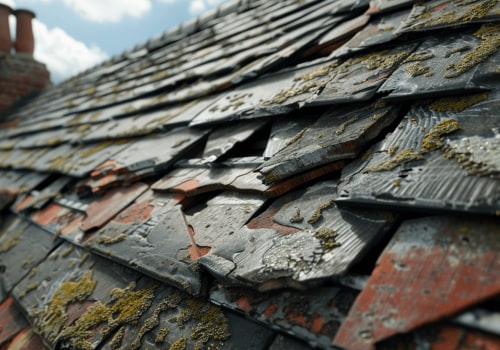
Recognizing the critical signs for roof replacement, such as leaksand structural sagging, is essential for maintaining the integrity andefficiency of your tile roofing system. Within the Tile RoofingIndustry, understanding the indicators for Roof Replacement isparamount, especially when comparing different types of roofing such astile and asphalt roofing.
Several key signs necessitate a roof replacement:
- Water Damage: Leaks, water stains, or dripping inside the house can signify that your roof is compromised.
- Aging Roof: An old roof nearing the end of its lifespan typically demands a replacement.
- Shingle Deterioration: Curling, missing, or cracked shingles are clear indicators of roof deterioration.
- Structural Issues: A visibly sagging roof points to significant structural problems requiring immediate attention.
Below is a table summarizing these critical signs:
| Sign | Description | Implication |
|---|---|---|
| Water Damage | Leaks, stains, or dripping | Compromised roof integrity |
| Aging Roof | End of lifespan | Imminent need for replacement |
| Shingle Deterioration | Curling, missing, cracked shingles | Deterioration and vulnerability |
| Structural Issues | Visible sagging | Urgent structural intervention needed |
High energy bills due to poor roof insulation are another indicatorthat it may be time for a roof replacement. Timely identification andaction on these signs can prevent extensive damage and maintain theefficiency of your tile roofing system.
Tile Roof Maintenance
Addressing the critical signs for roof replacement is only part ofthe equation; maintaining your tile roof with regular inspections andcleanings guarantees its longevity and peak performance. Tile roofs,known for their durability and long lifespan exceeding 50 years, require minimal upkeep compared to other roofing materials. However, periodicinspections are essential to verify all tiles remain secure and intact.
Regular upkeep involves professional inspections to promptly identify and mitigate potential issues such as leaks, broken tiles, orstructural damage. This proactive approach reduces the likelihood ofextensive repairs and extends the roof's functional life. Additionally,routine cleaning is crucial to prevent the accumulation of debris andthe growth of algae, which could compromise the tiles' integrity overtime.
Ensuring proper installation initially is crucial to minimizing theneed for frequent maintenance. Adequate installation techniques directly impact the roof's performance, ensuring that the tiles are correctlyaligned and adequately fastened. This foundational step enhances theroof's resistance to environmental stressors and reduces long-termmaintenance demands.
Tile Roof Installation
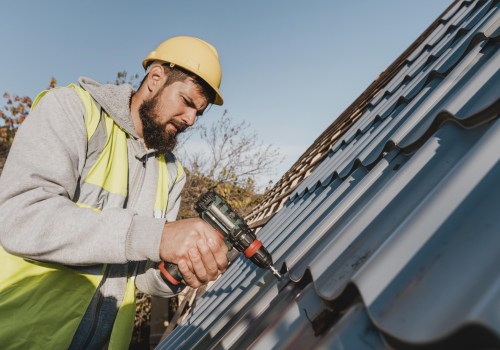
Tile roof installation demands meticulous attention to detail,thereby ensuring that tiles are securely fastened and correctly alignedto form a durable, weather-resistant barrier. Proper installationtechniques are crucial to achieving a roofing system that not onlywithstands the elements but also maintains its structural integrity over time. Professional roofing contractors employ a variety of methods,including the use of clips or nails, to secure each tile effectively.
Tiles are carefully positioned in an overlapping fashion, creating aseamless and weather-resistant roofing system. This method guaranteesthat water is efficiently channeled off the roof, preventing leaks andother potential damage. The table below provides an overview ofessential considerations in tile roof installation:
| Key Consideration | Description | Importance Level |
|---|---|---|
| Fastening Method | Clips or nails to secure tiles | High |
| Overlapping Technique | Ensures seamless, weather-resistant coverage | High |
| Professional Contractors | Experienced professionals guarantee quality | Very High |
| Structural Integrity | Proper techniques maintain long-term durability | Critical |
| Installation Costs | Varies by design complexity and tile type | Variable |
Professional roofing contractors play a critical role in ensuringproper installation techniques are followed, thereby safeguarding theroof's longevity and performance. While installation costs can vary,investing in quality workmanship is essential for achieving a durable,weather-resistant roofing system.
Shingle Vs. Tile Roofs
In the world of residential roofing, comparing shingle roofs to tileroofs frequently reveals significant differences in longevity, materialcomposition, and overall performance. Shingle roofs, typically composedof asphalt, offer a cost-effective solution with straightforwardinstallation and repair processes. However, their average lifespan of20-30 years pales in comparison to tile roofs, which, constructed fromclay or concrete, can last over a century.
Tile roofs provide superior durability, resisting pests, mildew, andalgae more effectively than shingle roofs. Moreover, theirenergy-efficient properties can reduce energy costs by up to 20%. Theseroofs are also environmentally friendly, as they do not utilizepreservatives in manufacturing and are easily recyclable. Shingle roofs, while less durable, remain a practical choice for budget-conscioushomeowners due to their lower initial costs.
In terms of style, tile roofs offer a plethora of customizationoptions with various colors, shapes, and styles, allowing for greaterarchitectural diversity. Shingle roofs, conversely, present limitedaesthetic choices. Despite the higher upfront investment, the long-termbenefits of tile roofs, including their durability and energyefficiency, often outweigh the initial costs, making them a compellingoption for homeowners seeking both functionality and style.
The thorough analysis of tile roofing highlights its exceptionaldurability and visually appealing characteristics, making it a viableoption for both residential and commercial structures. While the initial costs and weight considerations pose potential challenges, thelong-term benefits, such as longevity and minimal maintenance, oftensurpass these drawbacks. Regular maintenance and timely replacement areessential for maximizing the lifespan of tile roofs. In comparison, tile roofing provides unique advantages over shingle roofing, especially interms of endurance and architectural charm.